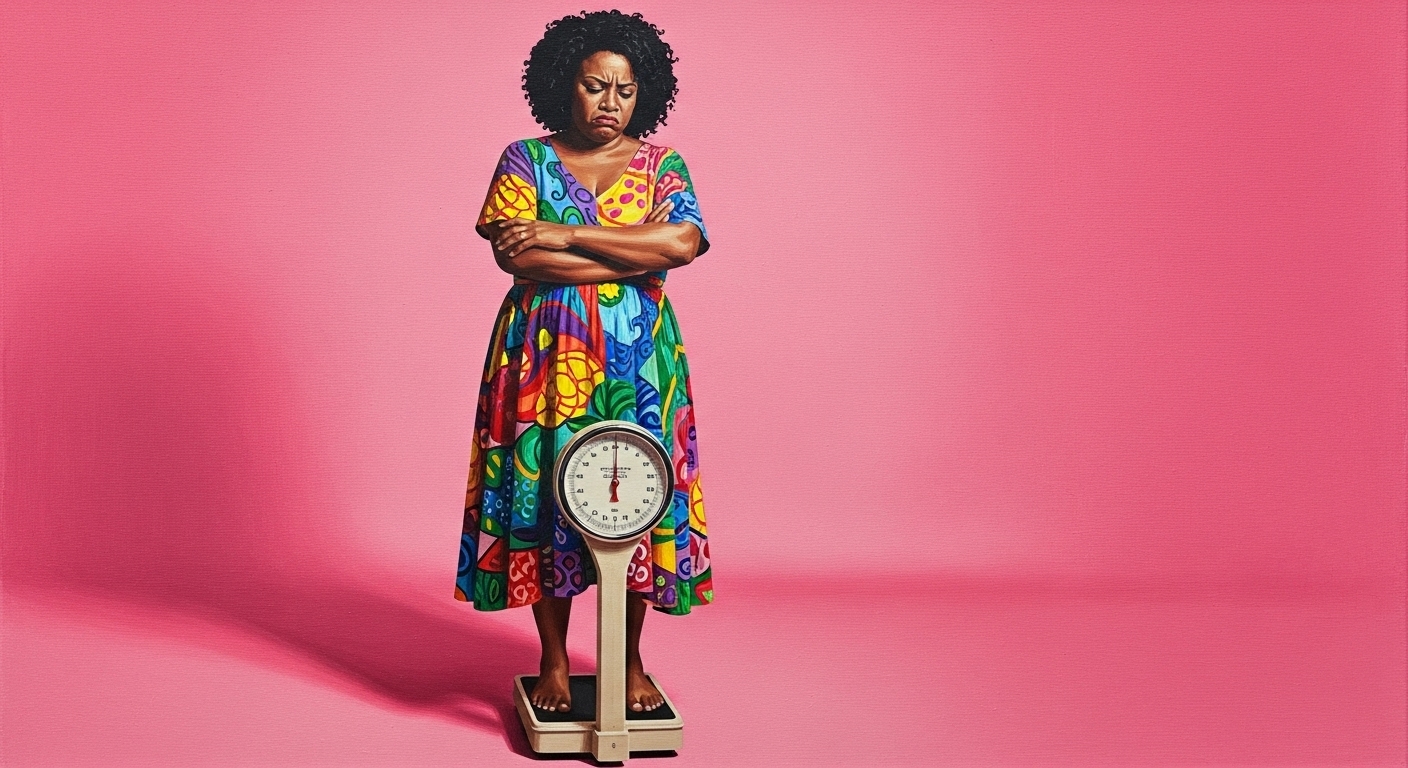

Every week, another woman tells me the same heartbreaking story.
She starts intermittent fasting with excitement and determination. Week one feels amazing – energy is up, the scale is moving, she’s finally found “the one.” Week two is still pretty good. But by week three? Everything falls apart.
She’s fighting constant cravings, feeling exhausted when she should be energized, and questioning why her willpower seems to disappear like clockwork. Meanwhile, she watches other women maintain their fasting schedules effortlessly, month after month.
Here’s what’s really happening: You’re not failing at intermittent fasting. You’re fighting against your own biology.
The women who succeed long-term aren’t more disciplined than you. They’re not stronger or more committed. They simply understand one crucial secret that most fasting advice completely ignores: Your hormones change dramatically every week, and if you don’t adjust accordingly, you’re swimming upstream against a hurricane.
The Hormonal Sabotage Happening in Your Body Right Now
Let me tell you about Karen from Freeport. She’d been crushing intermittent fasting for three months straight – 15 pounds down, energy through the roof, feeling unstoppable. Then week 16 hit like a freight train.
Suddenly, she couldn’t make it past 14 hours without feeling weak and shaky. Chocolate cravings dominated her thoughts. She felt irritable and exhausted, convinced her willpower had mysteriously evaporated.
Sound familiar? Here’s the truth that hit Karen like a lightning bolt:
Every single month, during the exact same week of her cycle, her body was sending distress signals. But instead of listening, she kept forcing the same rigid fasting schedule, fighting against her natural hormonal rhythms.
Once Karen learned to work WITH her cycle instead of against it, everything changed. The struggle ended. The results became sustainable. The success felt natural instead of forced.
But here’s what terrifies me: Right now, thousands of smart, capable women are abandoning intermittent fasting completely because nobody explained this to them.
They think they’re weak. They think they lack discipline. They think intermittent fasting “doesn’t work for them.”
The truth? They’re trying to use a man’s approach in a woman’s body.
Men’s hormones are relatively stable day to day. They can follow the same fasting schedule year-round and see consistent results. But women’s bodies operate on a complex 28-day hormonal cycle that affects everything from appetite to energy to fat-burning efficiency.
Ignoring this cycle isn’t just ineffective – it’s setting yourself up for guaranteed failure.
The 4 Hormonal Phases That Change Everything (And Why You’re Probably Getting Them Wrong)
Your monthly cycle isn’t just about menstruation. It’s a sophisticated hormonal orchestra that directly impacts how your body responds to fasting. Here’s what most women don’t know:
Phase 1: Menstrual (Days 1-7) – The Gentle Recovery Week Your estrogen and progesterone are at their lowest levels. Your body is literally rebuilding itself, requiring extra energy and nutrients. Trying to push aggressive fasting during this time is like asking someone to run a marathon while recovering from surgery.
The mistake most women make: Fighting through with their regular 16-18 hour fasts, then wondering why they feel awful.
Phase 2: Follicular (Days 8-14) – Your Fasting Sweet Spot Estrogen is rising, testosterone is increasing, and your energy is building. This is when your body actually welcomes longer fasting periods. It’s your biological green light for challenges and extended windows.
The mistake most women make: Not taking advantage of this natural fasting-friendly phase when their body is primed for success.
Phase 3: Ovulatory (Days 15-21) – Peak Performance Window Estrogen hits its peak before dropping, and you’re at maximum energy and confidence. Your body can handle its most demanding fasting protocols during this phase.
The mistake most women make: Using the same conservative approach instead of leveraging their body’s peak fat-burning potential.
Phase 4: Luteal (Days 22-28) – The Flexibility Phase Progesterone rises then crashes, often bringing PMS symptoms, mood changes, and increased appetite. Your body is preparing for potential pregnancy, which means it wants to maintain energy stores.
The mistake most women make: Fighting their body’s natural need for more frequent eating, leading to binges and self-sabotage.
Here’s the brutal truth: Every day you ignore these phases, you’re making intermittent fasting exponentially harder than it needs to be.
The Insulin-Hormone Connection That’s Keeping You Stuck
Your doctor probably never explained this to you, but your weight isn’t really about calories in versus calories out. It’s about hormones. Specifically, it’s about insulin.
Every time you eat, insulin spikes to handle the incoming food. When insulin is elevated, fat burning is impossible – your body is locked in “storage mode.” But here’s where it gets complicated for women:
Our hormone cycles directly affect how our bodies handle insulin throughout the month.
During your follicular and ovulatory phases, your body is naturally more insulin sensitive. Longer fasting periods work beautifully because your body efficiently switches to fat-burning mode.
During your menstrual and luteal phases, insulin sensitivity decreases. Your body needs more frequent feeding to maintain stable blood sugar and energy levels.
Most intermittent fasting advice treats all days the same. But for women, some days your body is a Ferrari, and other days it’s a vintage car that needs more frequent fuel stops.
The women who struggle long-term are trying to drive their vintage car days like Ferrari days. It doesn’t work, and it’s not your fault.
The Success Stories Nobody Talks About
Sarah, a nurse from Nassau, tried intermittent fasting four different times over two years. Each time, she’d start strong then crash and burn around week three, convinced she lacked willpower.
When she finally learned to adjust her fasting windows based on her cycle, she lost 28 pounds in six months – and more importantly, it felt effortless. “I stopped fighting my body and started dancing with it,” she told me.
Maria, a teacher from Grand Bahama, had the same experience. Three failed attempts at rigid fasting schedules, followed by sustainable success once she understood her hormonal rhythm. “I finally felt like intermittent fasting was designed for my body, not against it.”
These women didn’t suddenly develop superhuman willpower. They simply stopped working against their biology.
The most successful women aren’t the ones following rigid schedules. They’re the ones who learned to work WITH their hormones instead of against them.

Stop Fighting Your Biology – Start Working With It
Here’s what I want you to understand: Every month you spend fighting against your natural hormonal rhythm, you’re losing confidence, energy, and precious time.
While you’re struggling with the same rigid approach that’s designed for men’s stable hormone levels, other women are effortlessly maintaining their results because they understand the secret of hormonal fasting.
They’re not stronger than you. They’re not more disciplined. They simply have the right information.
The 4-phase rotation protocol inside “Do You Miss The Woman You Used To Be?” gives you the exact fasting windows, food choices, and timing strategies for each hormonal phase. No more guessing. No more fighting your body. No more wondering why some weeks feel impossible while others feel effortless.
You can either keep fighting the same losing battle, or you can discover the approach that makes intermittent fasting feel natural and sustainable.
The choice is yours. But remember – every day you wait is another day of unnecessary struggle while other women are already living with the energy and confidence you deserve.
Don’t spend another month fighting against your own biology.
Get your copy here and finally work WITH your hormones instead of against them.